
Transitioning to a new role in advertising design requires more than just showcasing your creative skills—it demands a strategic approach to your resume.

Highlighting your experience effectively can open doors to exciting opportunities and set you apart in a competitive market. From selecting the right keywords to structuring your portfolio highlights, every detail counts.
Crafting a resume that tells your professional story with clarity and impact can make all the difference. Let’s dive into the essential tips and tricks to help you create a standout resume that truly reflects your expertise.
We’ll explore this in detail below!
Showcasing Your Creative Journey with Purpose
Crafting a Compelling Professional Summary
Your professional summary is the hook that grabs recruiters’ attention right away. Instead of a generic statement, focus on telling a brief story about your advertising design journey—highlighting your unique blend of creativity and strategic thinking.
For example, mention how you transformed a campaign concept into a visually compelling brand message that boosted engagement. This personalized touch makes your resume memorable and invites readers to explore your experience further.
I’ve found that keeping this section concise yet impactful, about three to four sentences, works best to maintain interest without overwhelming the reader.
Integrating Relevant Keywords Naturally
Many overlook the power of keywords tailored to the advertising design industry. But these terms can be the difference between your resume getting noticed or filtered out by Applicant Tracking Systems (ATS).
Think beyond “creative” or “design” and incorporate phrases like “brand storytelling,” “user experience design,” or “cross-platform campaign development.” I recommend scanning job descriptions for recurring keywords and seamlessly weaving them into your bullet points and summary.
This approach ensures your resume speaks both to humans and machines, boosting your chances to land an interview.
Highlighting Portfolio Achievements Strategically
Your portfolio is your visual resume, but your written resume needs to direct attention to your best work effectively. Instead of listing every project, curate a selection of three to five highlights that demonstrate your versatility and impact.
Use metrics where possible—did a redesign increase client conversions by 20%? Did your campaign win any industry awards? Including such quantifiable achievements adds credibility and makes your contributions tangible.
In my experience, pairing these highlights with a link to an online portfolio or a PDF attachment encourages recruiters to engage deeper with your work.
Structuring Experience to Reflect Growth and Impact
Using Action-Oriented Language for Each Role
When detailing your past positions, opt for strong, action-oriented verbs that convey initiative and results. Words like “conceptualized,” “executed,” “collaborated,” and “optimized” paint a dynamic picture of your role.
I personally like to start each bullet point with such verbs because they instantly communicate your active involvement and leadership in projects. This method also helps avoid passive descriptions that can make your contributions feel less significant.
Emphasizing Cross-Functional Collaboration
Advertising design rarely happens in isolation. Highlighting your experience working with marketing teams, copywriters, and clients shows your ability to navigate complex workflows and diverse viewpoints.
For example, you might describe how you partnered with a marketing strategist to align visuals with campaign goals or collaborated with a UX designer to enhance user engagement.
Demonstrating this collaborative mindset indicates you can thrive in team environments and handle multifaceted projects, a highly valued trait in this field.
Showcasing Adaptability Through Varied Projects
Diversity in project types—from digital ads to print campaigns or social media graphics—speaks volumes about your flexibility and willingness to learn.
Don’t shy away from including smaller projects or freelance work if they showcase new skills or tools you’ve mastered. When I transitioned roles, highlighting these varied experiences helped me demonstrate a well-rounded skill set and an eagerness to embrace challenges, which resonated well with hiring managers.
Optimizing Your Skills Section for Maximum Impact
Balancing Hard and Soft Skills
While technical skills like proficiency in Adobe Creative Suite or Sketch are essential, soft skills such as communication, problem-solving, and creativity deserve equal spotlight.
Employers want designers who not only create beautiful visuals but also understand client needs and manage deadlines effectively. I suggest grouping your skills into categories—technical tools, creative abilities, and interpersonal strengths—so recruiters can quickly scan your qualifications and see you as a complete candidate.
Updating Skills to Reflect Industry Trends
Advertising design evolves rapidly with technology and consumer behavior shifts. Keeping your skills section current with emerging trends like motion graphics, AR/VR design, or data-driven creativity can set you apart.
Personally, I’ve found that investing time to learn new software or techniques and then showcasing them on my resume signals growth and adaptability—qualities that hiring managers highly value.
Prioritizing Skills Based on Job Descriptions
Tailoring your skills list for each application is a game-changer. For instance, if a job emphasizes social media campaign design, make sure those relevant skills are front and center.
Ignoring this step might cause your resume to feel generic and less aligned with the employer’s needs. I usually keep a master list of my skills and pick the most relevant ones for each position, which has helped me land interviews more consistently.
Designing Your Resume Layout for Readability and Appeal
Choosing a Clean, Modern Format
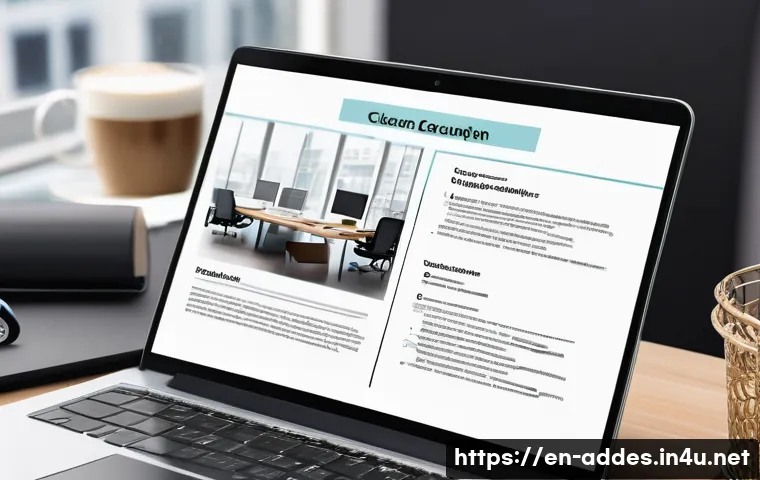
A visually cluttered resume can distract from your content, no matter how impressive your experience. I recommend a clean layout with plenty of white space, clear headings, and consistent font choices.
This not only reflects your design sensibility but also makes it easier for recruiters to scan quickly. Using subtle color accents sparingly can add personality without overwhelming the page.
Utilizing Bullet Points and Subheadings Effectively
Breaking down information into digestible chunks using bullet points and subheadings greatly improves readability. Each bullet should focus on one achievement or responsibility, making it simple for readers to grasp your strengths at a glance.
When I revamped my resume, this tactic helped recruiters immediately understand my impact without wading through dense paragraphs.
Incorporating Links and Contact Information Smartly
Make sure your contact details and portfolio links are easy to find—preferably at the top or in a sidebar. Including clickable links to your online portfolio, LinkedIn profile, or even a personal website lets hiring managers explore your work with minimal effort.
From my experience, having these accessible upfront encourages deeper engagement and shows you’re tech-savvy and professional.
Quantifying Achievements to Showcase Real Value
Turning Creative Work into Measurable Outcomes
Numbers speak louder than vague claims. Instead of saying you “improved brand awareness,” specify that your campaign “increased social media engagement by 30% within three months.” When I adjusted my resume to focus on measurable results, I noticed a significant uptick in interview invitations.
It demonstrates that your creative efforts have practical business impact.
Using Metrics to Differentiate Yourself
Many candidates might claim creativity, but fewer back it up with data. Highlighting metrics like conversion rates, audience reach, or project budgets you managed adds a layer of professionalism and accountability.
This approach also helps hiring managers envision the scale and success of your contributions, making your application more compelling.
Balancing Quantitative and Qualitative Highlights
While numbers are powerful, don’t neglect the qualitative side—client testimonials, awards, or recognition can also enhance your credibility. For example, noting that your campaign was featured in a top industry publication or earned a client’s praise adds depth to your story.
I’ve found that blending both types of achievements creates a well-rounded resume that appeals to diverse hiring priorities.
Customizing Your Resume for Each Opportunity
Researching Company Culture and Values
Understanding the company you’re applying to allows you to tailor your resume tone and content accordingly. For instance, a startup might value innovation and flexibility, so emphasizing your adaptability and experimental projects makes sense.
Conversely, a large agency might prioritize experience with high-profile campaigns and teamwork. I always spend time reviewing company websites and social media to pick up on these cues before customizing my resume.
Aligning Your Experience with Job Requirements
Every job description lists must-have skills and preferred qualifications—use these as a checklist. Highlight your matching experiences prominently and consider rephrasing bullet points to mirror the language used by the employer.
This alignment signals you’ve done your homework and are a perfect fit for the role. I’ve seen my application stand out when I take this extra step.
Updating Your Resume Regularly
Even if you’re not actively job hunting, keeping your resume current saves stress later. Adding new skills, projects, or achievements as they happen means you’ll always have a polished document ready.
Personally, I review and tweak my resume quarterly, which helps me stay aware of my career growth and be prepared for unexpected opportunities.
Essential Elements to Include for Advertising Design Professionals
| Resume Section | Key Details | Purpose |
|---|---|---|
| Professional Summary | Brief story highlighting creativity and strategic impact | Captures attention; sets tone |
| Experience | Action verbs, quantifiable achievements, collaboration examples | Demonstrates skills, growth, and teamwork |
| Skills | Technical tools, creative abilities, soft skills | Showcases capabilities tailored to job |
| Portfolio Highlights | Curated projects with metrics and awards | Validates expertise visually and contextually |
| Contact Info & Links | Clickable portfolio, LinkedIn, email, phone | Facilitates easy recruiter access |
In Conclusion
Crafting a resume that truly reflects your creative journey and professional growth is key to standing out in the advertising design field. By combining storytelling with strategic keyword use and measurable achievements, you create a compelling narrative that resonates with recruiters. Remember, a well-structured and visually appealing resume not only showcases your skills but also invites deeper engagement. Keep refining and customizing your resume to align with each opportunity for the best results.
Useful Tips to Keep in Mind
1. Always personalize your professional summary to tell a unique story that highlights both creativity and strategic impact.
2. Integrate industry-specific keywords naturally to ensure your resume passes ATS filters and grabs human attention.
3. Select portfolio highlights carefully, focusing on projects with clear results and recognitions to strengthen your credibility.
4. Use strong action verbs and emphasize collaboration to show your proactive role and teamwork skills.
5. Regularly update your skills and tailor them based on the job description to demonstrate growth and relevance.
Key Takeaways
A successful advertising design resume balances creative storytelling with data-driven results, making it both engaging and credible. Prioritize clarity and readability through a clean layout and well-organized sections, ensuring recruiters can quickly grasp your value. Tailoring your resume to each job and company culture shows professionalism and increases your chances of landing interviews. Finally, maintaining an up-to-date document helps you stay prepared for new opportunities at all times.
Frequently Asked Questions (FAQ) 📖
Q: How can I effectively highlight my creative skills on a resume for an advertising design role?
A: To showcase your creative skills effectively, focus on specific projects where your design directly impacted the campaign’s success. Use quantifiable results like increased engagement or sales to demonstrate your value.
Incorporate action verbs such as “conceptualized,” “designed,” and “executed” to convey your hands-on involvement. Don’t just list software skills—explain how you applied them creatively to solve problems or innovate.
Including a link to a well-curated portfolio that reflects your best work is also crucial, as it gives hiring managers tangible proof of your abilities.
Q: What keywords should I include in my advertising design resume to pass applicant tracking systems (
A: TS)? A2: Using the right keywords is essential to get noticed by ATS software. Look closely at the job description and include terms like “branding,” “digital advertising,” “creative strategy,” “Adobe Creative Suite,” “UX/UI design,” and “campaign development.” Tailor these keywords to match your actual experience and the specific role you’re applying for.
Avoid keyword stuffing; instead, integrate them naturally within your achievements and responsibilities. This approach not only helps your resume get through automated filters but also reads well to human recruiters.
Q: How should I structure my portfolio highlights on my resume to stand out?
A: When structuring portfolio highlights, pick 3-5 standout projects that showcase a range of your skills and the impact of your work. Briefly describe each project’s objective, your role, and the outcome, focusing on measurable results whenever possible.
Use bullet points for clarity and keep descriptions concise but compelling. If space allows, mention any collaboration with cross-functional teams or challenges you overcame.
Always include a direct link to your online portfolio, making it easy for recruiters to explore your work further. This balance of storytelling and evidence helps create a memorable impression.